Discover essential tips for planning your trip to Panama: from the best time to visit to what to pack and safety recommendations.
Panama is a tourist destination that combines paradise beaches, lush jungles, modern cities, and a rich cultural history. Whether you want to relax in the San Blas Islands, explore the famous Panama Canal, or immerse yourself in the vibrant nightlife of Panama City, this Central American country has something for everyone. In this comprehensive guide we will tell you everything you need to know so your visit is unforgettable, from the required documentation, the best months to enjoy the tropical climate, to how to get around the country safely and comfortably.
When to travel to Panama?
Panama has a tropical climate with a dry season (December to April) and a rainy season (May to November). The best time to visit is during the dry season, when rainfall is scarce and the sun shines almost every day. However, the rainy season also has its advantages: fewer tourists, less crowding, and especially green landscapes. During Holy Week (April), nearby beaches can be crowded with locals, so if you are looking for peace and quiet, consider traveling a few weeks earlier or later.
Required documentation
Most visitors need a passport valid for at least six months from the date of entry. A visa is not required for citizens of the United States, Canada, most European countries, and Latin America. Tourists can stay up to 180 days, depending on their nationality. It is recommended to carry a copy of your hotel reservation and return ticket, although they are not always requested.
- Valid passport (minimum 6 months)
- Proof of exit from the country
- Travel itinerary (optional but recommended)
- Travel insurance (essential for adventure activities)
Currency and payments
The balboa (PAB) is the official currency, although in practice the US dollar (USD) circulates. Most establishments accept credit cards, but it is advisable to carry cash for rural areas, markets, and small businesses. There are currently no ATMs in San Blas or several rural areas.
What to pack for Panama
Pack light, breathable clothing, high-DEET insect repellent, sunscreen, sunglasses, swimwear, and comfortable walking shoes. If you will visit the interior of the country or San Blas, include a rain jacket for unexpected showers. In December and January, some nights in the city can be cool, so a light jacket is useful.
- Light cotton clothing (preferably light colors)
- Sunscreen SPF 30+ and mosquito repellent
- Snorkel and mask (if planning San Blas or Bocas del Toro)
- A lightweight waterproof jacket
- Cash in small denominations
- Power adapter (110V, type A/B)
Safety and health
Panama is considered one of the safest countries in Central America, with a peace index above the regional average. As in any destination, basic precautions are recommended: don't display valuables, use authorized transportation, and stay hydrated.
Health tip
Vaccination against yellow fever is suggested if you plan to visit jungle areas such as Darién. The vaccination is mandatory for travelers arriving from at-risk countries. Carry medication for stomach upset, which is common when adjusting to tropical foods.
Transportation: how to get around Panama
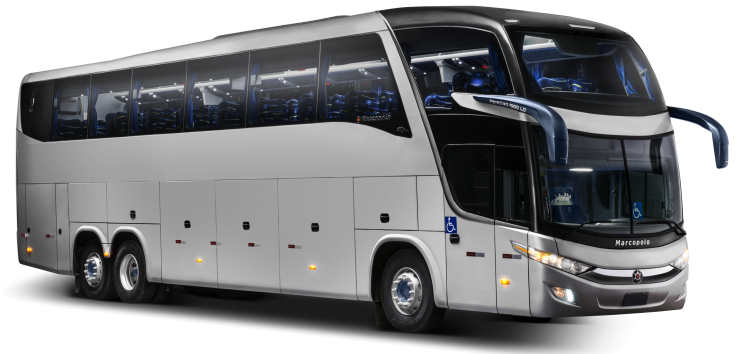
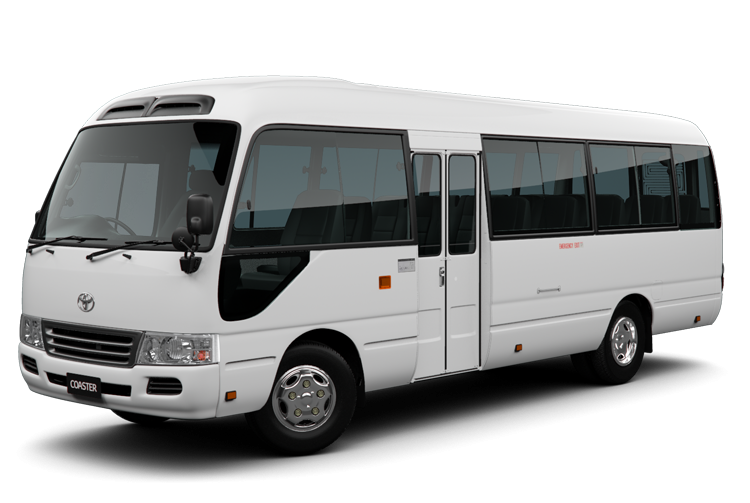
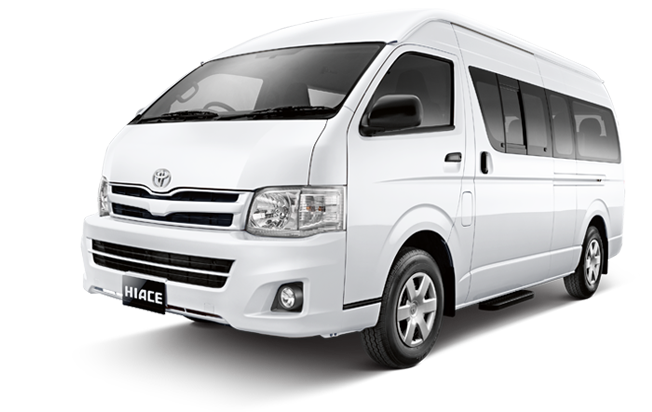
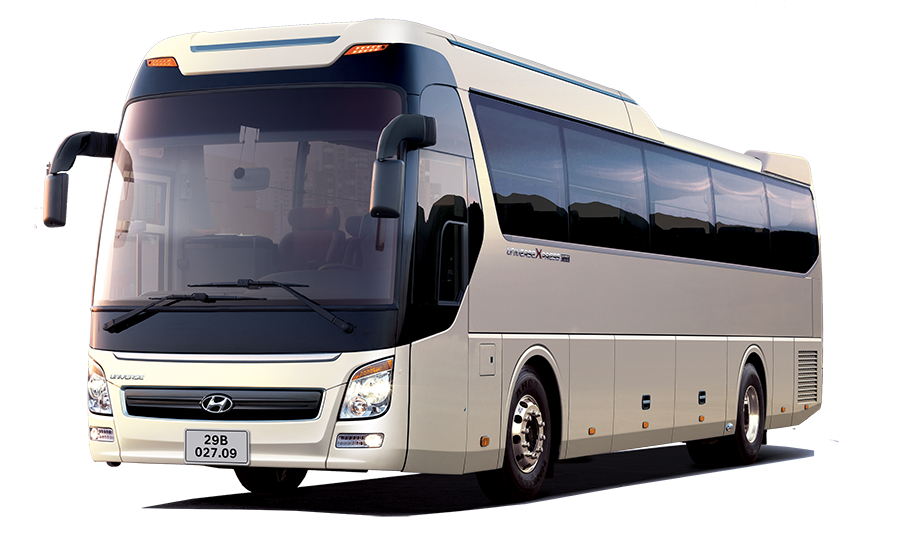
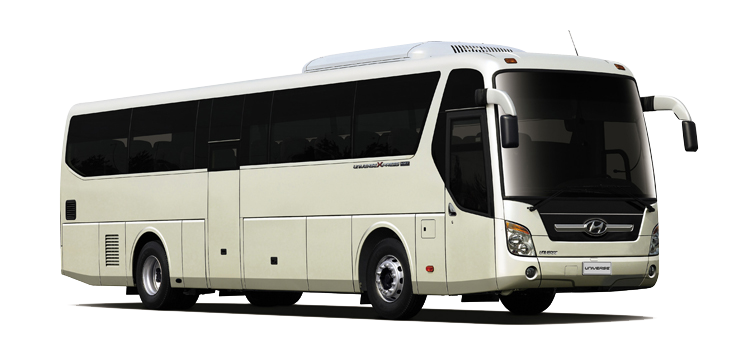
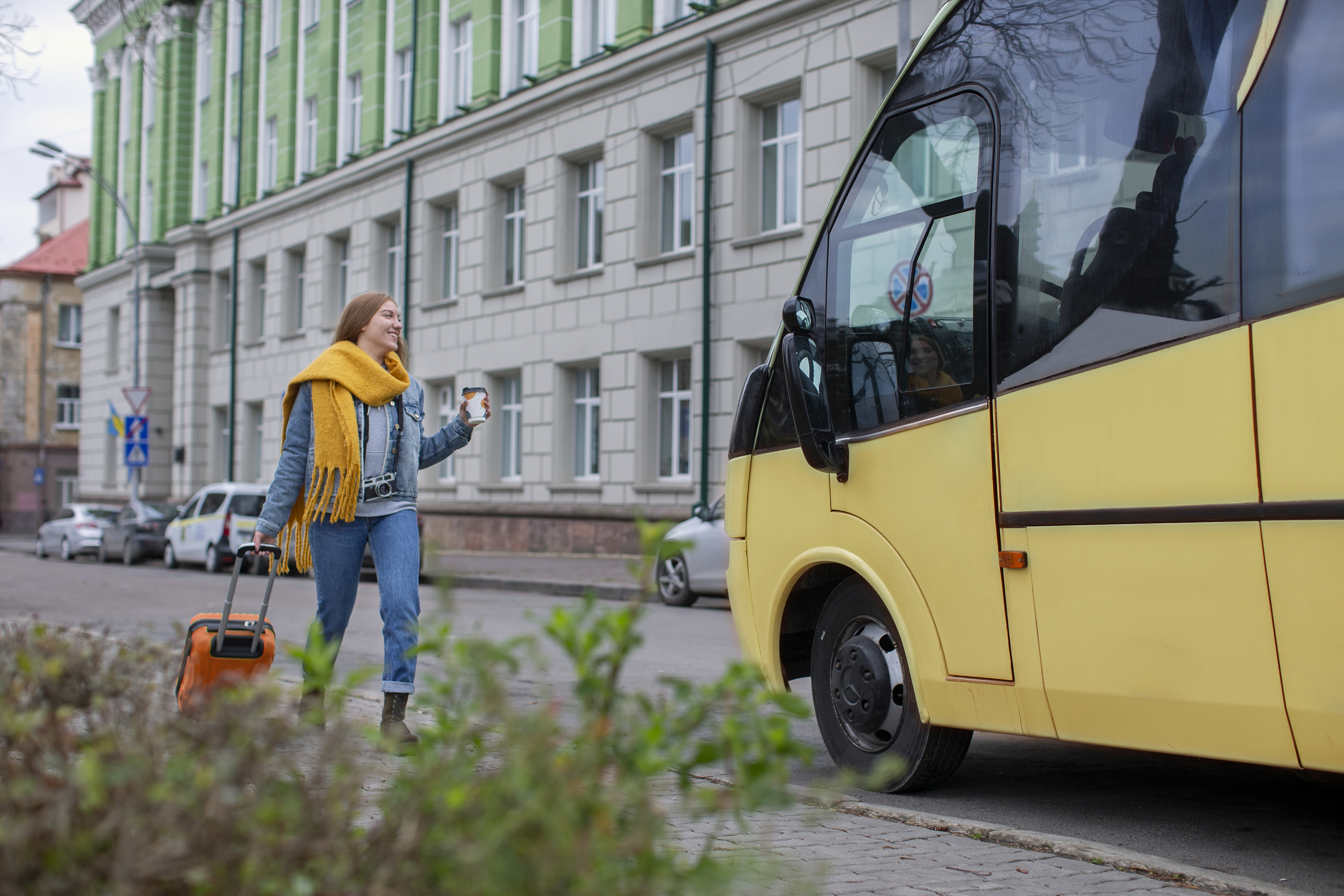
Panama City has an efficient metro and bus system, but for tourists the most convenient way to get around is by hiring a private transportation service like Marianne Travel, specialized in transfers from Tocumen International Airport to city and beach hotels, as well as tours to the country's main tourist destinations. Regular taxis operate but do not always use the meter; Uber and DiDi operate in the city.
"Traveling is investing in yourself. Panama is a destination that leaves a mark and enriches the soul with both its landscapes and its people."
Frequently asked questions about traveling to Panama
Q: Is it safe to travel solo to Panama?
A: Yes, it is one of the safest countries in Central America. However, we recommend not walking alone in unfamiliar areas at night and using authorized transportation.
Q: Do people speak English?
A: In Panama City and tourist areas, many people speak English. In San Blas and rural areas, Spanish predominates.
Q: Do I need a visa for Panama?
A: Citizens of the US, Canada, Europe, and Latin America do not need a visa for stays up to 180 days. Check if your specific country requires one.
Q: Is tap water safe to drink?
A: In Panama City, tap water is safe to drink. In San Blas and rural areas, opt for bottled water.
Q: How do I book an airport transfer to the city?
A: Private transfers depend on your exact destination. Marianne Travel offers fixed rates and professional drivers.